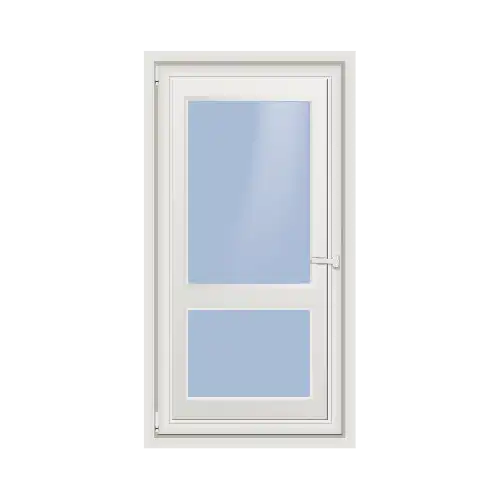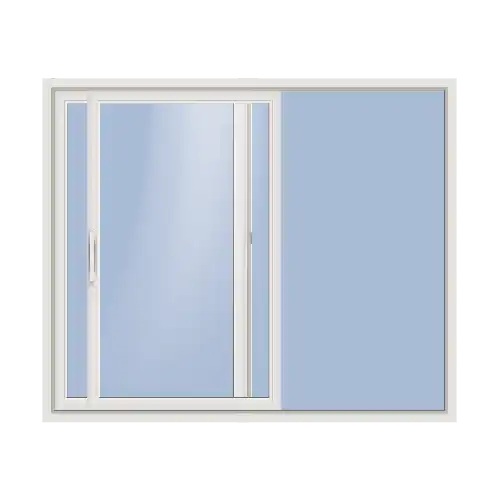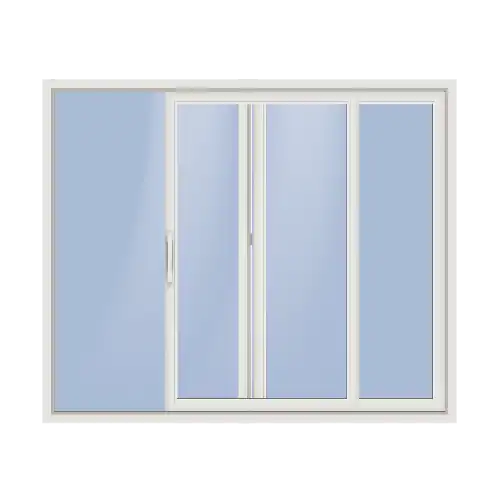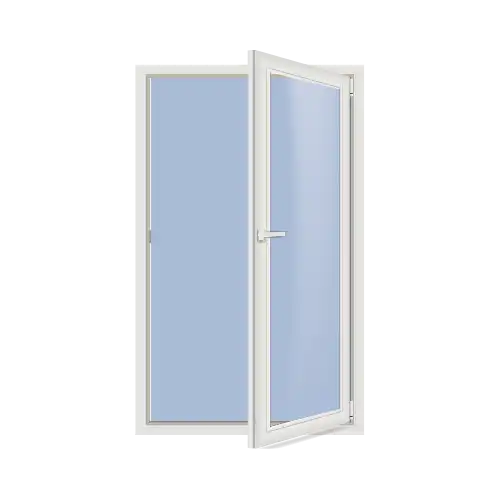
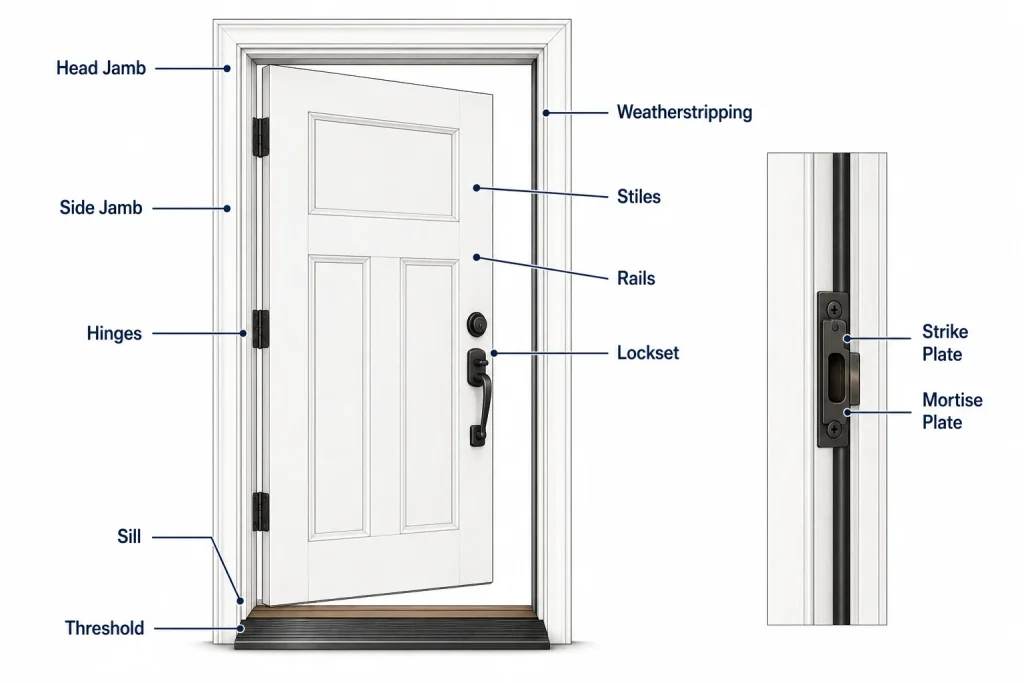
The parts of a door include the frame, panel, hardware, and weatherproofing system. Together, these components provide structural support, security, smooth operation, and protection against the elements. Understanding how each part works makes it easier to maintain your door, identify problems, and choose the right replacement door components.
This guide breaks down the anatomy of a door, from the structural frame to the hardware that keeps it secure, and includes door component diagrams.
What Are the Parts of a Door?
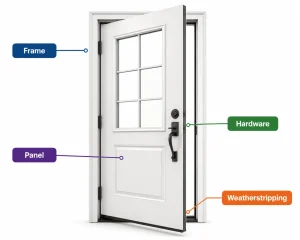
At the broadest level, the fundamental door parts fall into the following categories:
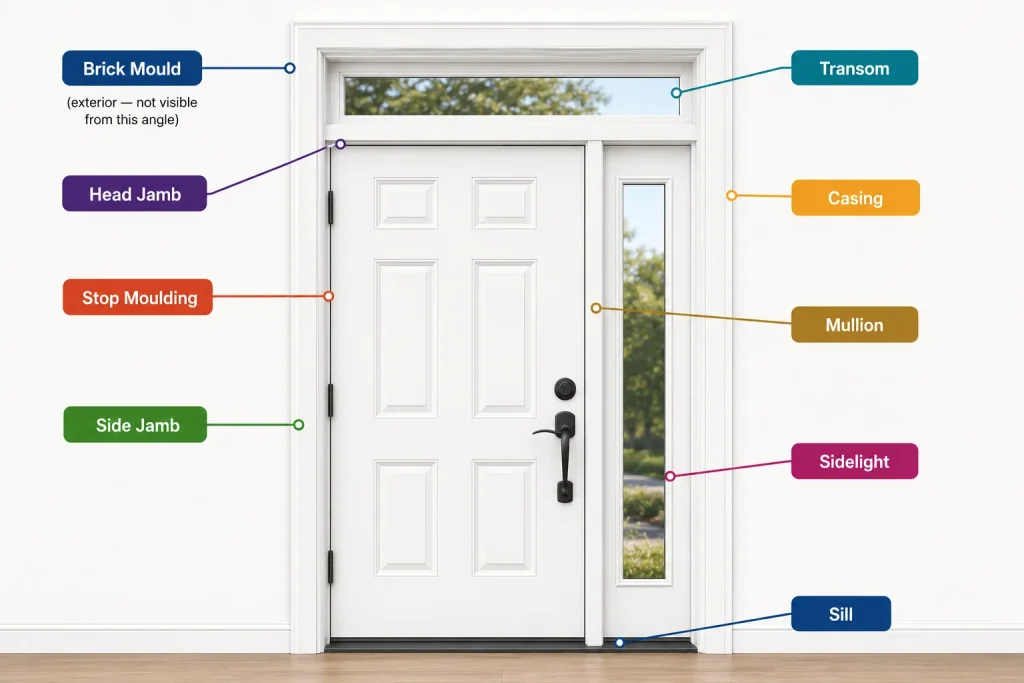
- The door frame: Head jamb, side jambs, sill, mullion, sidelights, casing, brick mould, transom, and stop moulding.
- The door panel: Stiles, rails, core construction, astragal, glazing, muntin bars, SDLs, and grilles.
- The hardware: Hinges, lockset assembly, bore hole, strike plate, mortise plates, thumb turn, and escutcheon.
- The weatherproofing system: Weatherstripping, sweeps, and thresholds
Check out our door parts glossary below.
Door Frame Parts
The door frame is the structural housing that anchors a door to the rough opening in the wall. The head jamb runs across the top, the side jambs run vertically on either side, and the sill sits at the base. Sills are standard on exterior doors; interior doors typically use a threshold instead.
Proper installation depends on matching the jamb depth to the wall construction; standard 2×4 framing calls for a 4-9/16-inch jamb, while 2×6 walls require a 6-9/16-inch jamb. Getting this measurement wrong means the casing won’t sit flush against the wall.
Other door frame components include:
- Door jamb vs. door frame: The frame is the complete surrounding structure. The jamb refers specifically to the vertical side pieces. If the vertical piece is what’s needed, ask for the jamb; if the whole assembly is needed, ask for the frame.
- Mullion: A mullion is the vertical member that joins two adjacent door or window frames; most common in double-door setups or entry systems with sidelights, the narrow glass panels flanking a main door.
- Sidelights: Narrow, fixed windows installed on one or both sides of a door. They’re often joined to the door frame at a mullion, adding natural light to an entryway and improving sightlines without compromising security.
- Casing: The interior trim that covers the gap between the door frame and the surrounding wall surface. It’s a finishing detail, but it also protects the wall edge and gives the opening a clean, complete look.
- Brick mould: The exterior counterpart to casing; a thicker trim profile that conceals the gap between the frame and the exterior wall cladding. It’s also the attachment point for storm doors and screen doors, so it needs to be structurally solid, not just decorative.
- Transom: The narrow window positioned above a door or window. Most transoms are fixed, though some are hinged at the top and open like an awning window.
- Stop moulding: Attached to the door frame and acts as a guide for the panel, keeping it aligned within the opening and preventing it from swinging through when closed.
Parts of a Door Panel
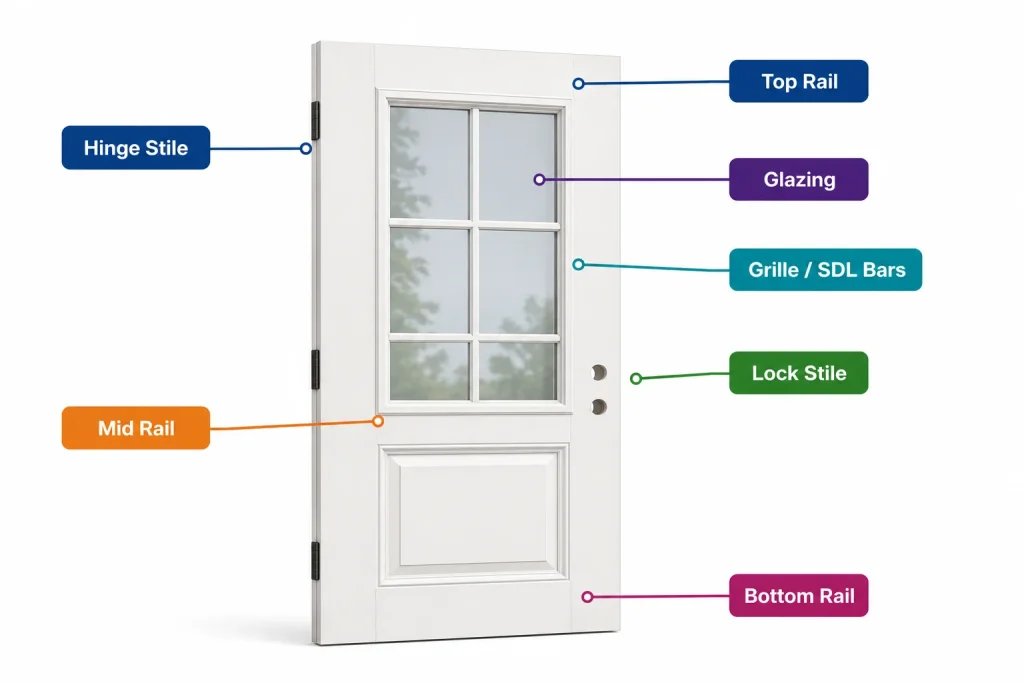
The door panel, or slab, is the movable piece that swings open and closed. It’s built around stiles, the vertical framing pieces running the full height of the panel (hinge stile on the hinge side, lock stile on the latch side) and rails (the horizontal members at top, bottom, and sometimes mid-panel).
Other door panel parts include:
- Glazing: Glazing is any glass element built into the panel, including decorative lites, full glass inserts, or sidelight panes. Look for NFRC ratings, issued by the National Fenestration Rating Council, the industry standard for comparing thermal performance. Brands like Marvin, across their Elevate, Essential, Modern, and Ultimate collections, are a useful reference point for premium glazing.
- Muntin bars and SDLs: Before modern glass manufacturing, large panes were expensive and fragile, so muntin bars were used to join smaller panes into a full window. Today, most doors use Simulated Divided Lite (SDL) bars instead. These attach to the surface of a single large pane to recreate the divided-light look without the extra seams.
- Grilles: Offer a removable version of the same effect for easy cleaning, while Grilles-Between-the-Glass (GBGs) are sealed between the glass panes for low maintenance.
- Astragal: On double-door installations, an astragal covers the seam where the two panels meet. It’s typically fitted with weatherstripping to block wind and water from passing through the gap between them.
Core construction is where door panels differ most, and where material choice affects long-term performance:
- Hollow core: Lightweight and inexpensive, minimal soundproofing. Best for interior closet or bedroom doors.
- Solid core: Wood composite fill, better soundproofing and durability. A strong choice for bathrooms and home offices.
- Solid wood: Premium aesthetics and good insulation, though more expensive and humidity-sensitive.
- Foam core: Common in fiberglass front door replacements and steel exterior doors, outperforming wood on thermal resistance, making it a preferred choice for energy-conscious homeowners looking at higher-investment materials like fiberglass or aluminum-clad options.
Understanding these door parts and pieces helps you ask the right questions when shopping for a replacement slab.
Door Hardware Parts
Door hardware is the mechanical system that makes a door operable and secure. Key door hardware components include:
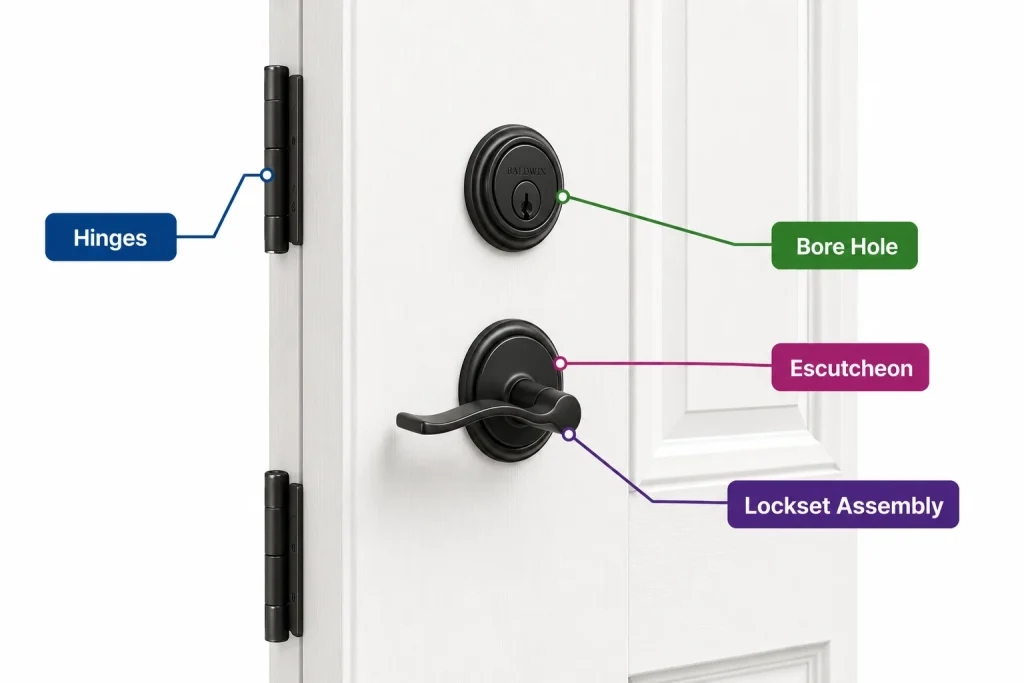
- Hinges: These attach the panel to the hinge jamb and carry its full weight. Standard doors use three hinges; heavier or oversized doors typically need four or more.
- Lockset assembly: Includes the handle or knob, the spring-loaded latch bolt, and often a deadbolt to improve door security.
- Bore hole: The hole drilled into the door panel to accommodate the lockset. Doors with both a handle and a separate deadbolt need two bore holes rather than one.
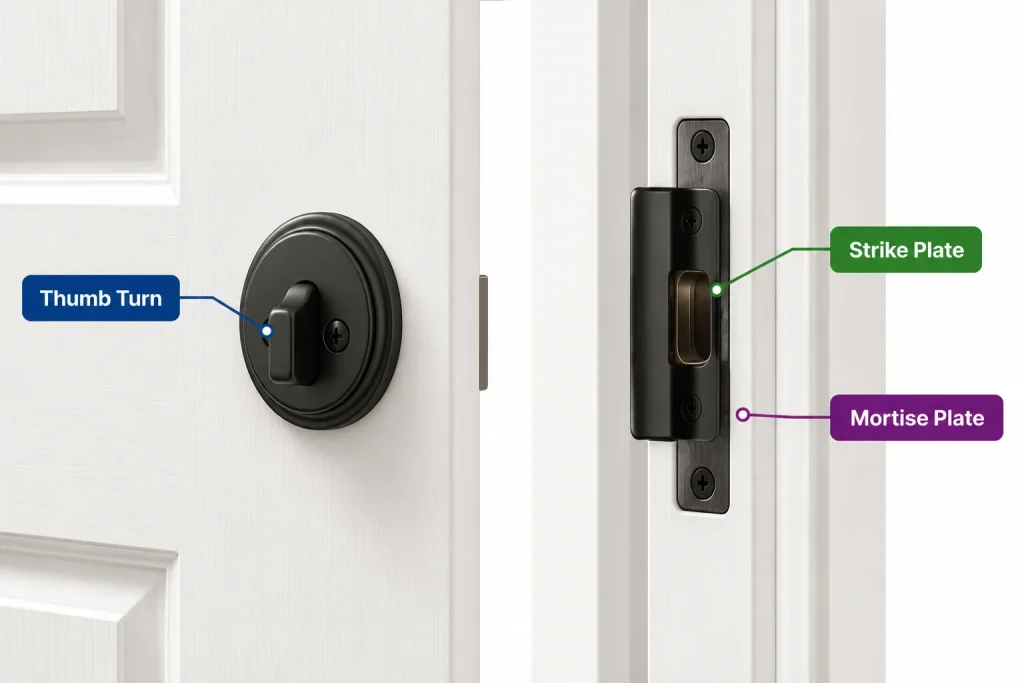
- Strike plate: The plate mortised into the jamb that the latch or deadbolt engages. A reinforced strike plate installed with 3-inch screws, instead of the standard shorter ones, dramatically improves kick-in resistance.
- Mortise plates: These plates reinforce the areas around latches and deadbolts, adding strength to the door panel itself and making forced entry more difficult.
- Thumb turn: The small lever on the interior side of a deadbolt, letting you lock or unlock the door by hand without a key. A key cylinder still operates the exterior side.
- Escutcheon: The decorative plate mounted around a handle, thumb turn, or key cylinder. Beyond its cosmetic role, it also protects the door’s surface from scratches and wear around the hardware.
Locksets come in a few types: entry locksets are keyed for exterior security, passage sets have no lock for hallways or closets, and privacy sets have an interior lock for bathrooms and bedrooms.
For a front door replacement, upgrading the strike plate and lockset together is one of the highest-value security improvements a homeowner can make.
Weatherstripping, Door Sweeps, and Thresholds
This sealing system separates a high-performance door from one that quietly drains an energy budget all year:
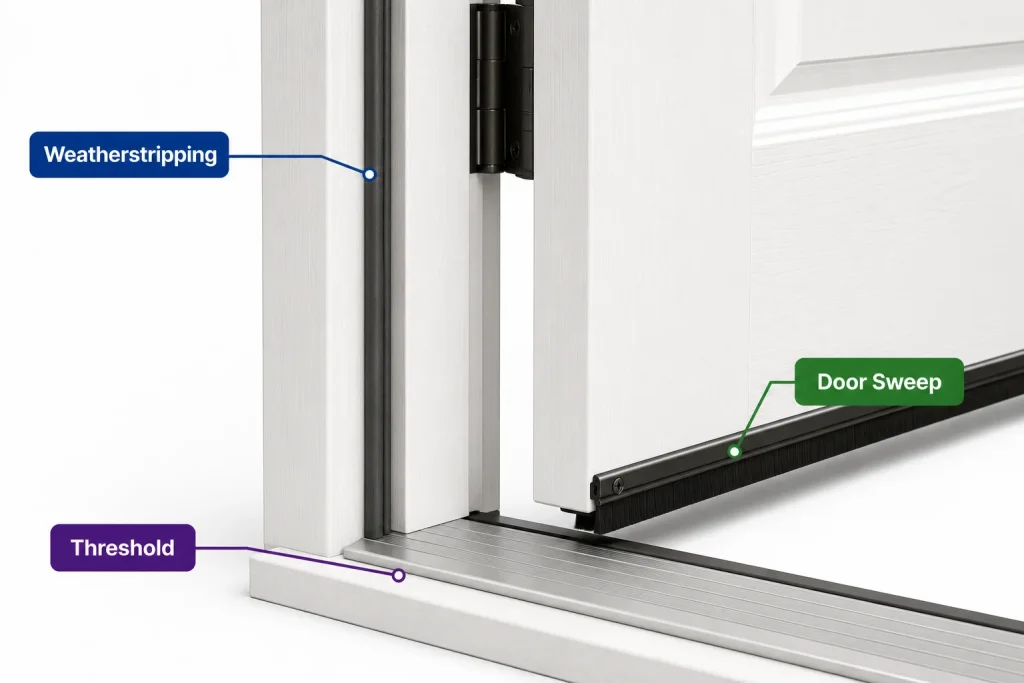
- Weatherstripping: A flexible seal along the door stop that compresses when the door closes, blocking air and water. Materials include foam, rubber, vinyl, and brush pile; most last 3–5 years before cracking or losing compression.
- Door sweep: Attached to the bottom edge, closing the gap to the floor or threshold. Automatic sweeps drop down on closing and retract on opening, performing better on uneven surfaces.
- Threshold: Sits atop the sill as a functional, often replaceable cover. Don’t confuse the two: the sill is structural, the threshold is the cap on top.
Adjustable thresholds are worth highlighting for homes with settled foundations or uneven subfloors; they close the gap without tearing out the entire frame.
Learn when to replace doors in our detailed guide.
Finding The Right Replacement Door for Your Home
Every part of a door, from the structural jambs to the weatherstripping at the bottom edge, plays a role in how it looks, performs, and lasts. Now that you’ve learned how to understand door anatomy, you can spot wear early, communicate clearly with installers, and make confident replacement decisions.
Davis Window and Door carries a range of replacement door solutions to fit different budgets and needs, with no high-pressure sales tactics when choosing the right door components.
Homeowners across Atlanta, Charlotte, and surrounding communities turn to Davis Window and Door for a few key reasons:
- Manufacturer-certified installers: Doors are installed by trained professionals, not generic subcontractors, so hardware, weatherstripping, and jamb alignment are done right the first time.
- Labor warranty that matches the product warranty: Coverage extends beyond the door itself to the installation work, closing a gap many replacement companies leave open.
- Multi-brand selection: Davis Window and Door isn’t tied to a single manufacturer, so homeowners can compare options and choose the door that fits their home and budget.
- 100+ years of combined sales and technical experience across the team, backing every consultation with real, hands-on expertise.
- Local, no-pressure service with established locations in Atlanta, GA and Charlotte, NC, with a consultative process rather than a hard sell.
Local climate is part of the equation too. Atlanta’s heat and humidity put extra strain on weatherstripping and seals, while Charlotte’s colder snaps expose drafts around poorly fitted frames. These are both good reasons to know what’s going on with a door before problems get worse.
Ready for a new door for your home? Schedule a Consultation with Davis Window and Door, or browse real customer reviews to see what homeowners in Atlanta and Charlotte are saying.

FAQs about Door Parts
Here are frequently asked questions about doors and their parts.
What Are the Parts of a Door?
The frame (head jamb, side jambs, sill), the panel (stiles, rails, core), the hardware (hinges, locksets, strike plates), and the weatherproofing system (weatherstripping, sweeps, thresholds).
What Is a Door Jamb?
The door jamb is the vertical side piece of a door frame — the part that holds the hinges on one side and the strike plate on the other. It’s often confused with the full frame, but the frame includes the head jamb and sill too; the jamb is just the sides.
What Is Door Glazing?
Door glazing is any glass element built into a door panel, including decorative lites, full glass inserts, and sidelight panes. Quality is measured by NFRC ratings, the industry standard for comparing thermal performance between products.
How Does Door Hardware Work?
Door hardware operates as a connected system: hinges carry the door’s weight, the lockset assembly (handle, latch, deadbolt) controls access, and the strike plate anchors the latch into the jamb. Reinforced strike plates and mortise plates provide additional resistance to forced entry.
What Is the Difference Between a Sill and a Threshold?
The sill is the structural piece built into the frame at floor level. The threshold sits atop the sill as a replaceable, functional cover.
How Many Hinges Does a Standard Door Need?
Most residential doors use three. Heavier or oversized doors, including many solid-wood or fiberglass exterior doors, typically require four or more.
How Long Does Weatherstripping Last?
Most weatherstripping lasts 3–5 years before it compresses, cracks, or starts letting air through.